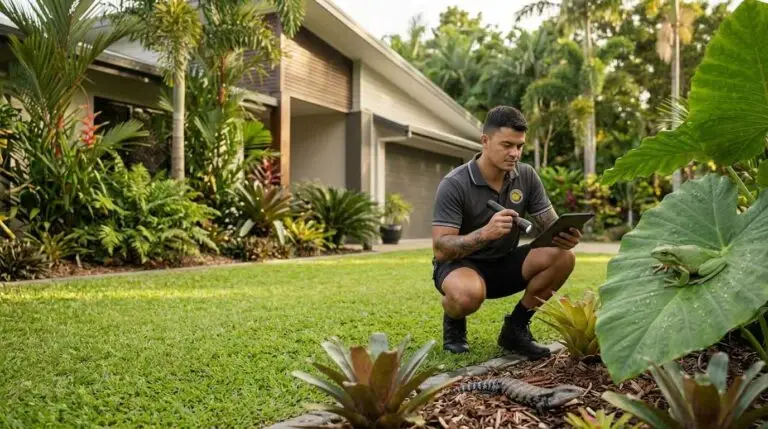
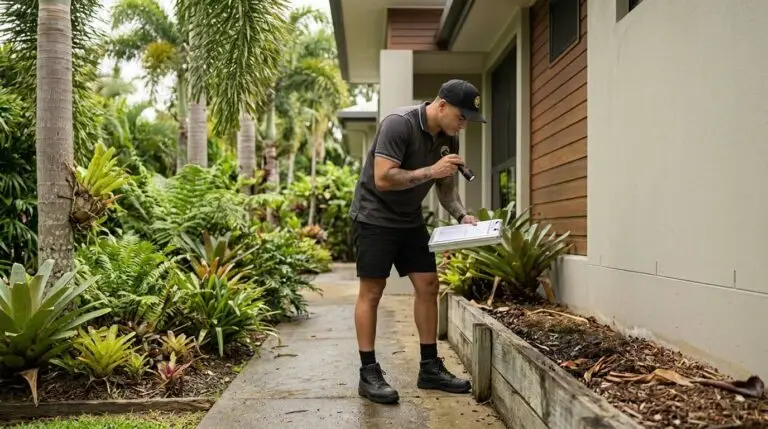
A practical, Cairns-focused guide to identifying, preventing, and managing pests in Far North Queensland homes
Living in Cairns means living in the tropics. Warm weather, lush gardens, coastal air, and rainforest surrounds are part of daily life. Unfortunately, those same conditions also create the perfect environment for pests to thrive all year round.
Unlike cooler parts of Australia where pest activity slows in winter, Far North Queensland experiences constant pressure. High humidity, frequent rainfall, and warm soil temperatures allow insects and rodents to breed faster, live longer, and move into homes more easily.
This guide is written specifically for Cairns and surrounding suburbs, including Smithfield, Redlynch, Manoora, Whitfield, Edmonton, Trinity Beach, Trinity Park, Kewarra Beach, and Palm Cove. It explains which pests are most common in tropical homes, how to spot early warning signs, why infestations escalate so quickly in the wet season, and what actually works to protect your home long-term.
Why Pest Problems Are Worse in Cairns Than Most Guides Admit
Many online pest articles use the word “tropical” loosely. Cairns is different.
Here, pests benefit from:
Year-round warmth
High humidity that prevents dehydration
Heavy rainfall that flushes pests indoors
Dense vegetation close to homes
Housing designs with roof voids, subfloors, and garden proximity
This is why pest issues often appear suddenly after rain and why DIY treatments frequently feel short-lived. The environment is constantly working in the pests’ favour.
Common Pests Affecting Cairns Homes
Termites: The Most Serious Pest Risk in Far North Queensland
Termites are the number one structural threat to homes in Cairns. Moist soil, regular rainfall, and timber construction create ideal conditions for termite colonies to thrive undetected.
Early signs of termite activity include:
Mud tubes along foundations, slabs, or retaining walls
Hollow or papery sounding timber
Bubbling or flaking paint near skirting boards
Doors or windows becoming difficult to close
Fine timber dust or gritty frass near woodwork
In FNQ, subterranean termites are especially aggressive. They access homes from the ground up, often remaining hidden until significant damage has occurred. This is why regular professional termite inspections in Cairns are critical, even if you cannot see obvious signs.
Cockroaches are one of the most common pest complaints across Cairns, particularly during the wet season when heavy rain pushes them indoors.
The most common species found in local homes include:
American cockroaches, large and often flying, commonly linked to drains
German cockroaches, smaller, fast-breeding, and difficult to eliminate
Brown-banded cockroaches, often hiding in cupboards and appliances
Signs of an active cockroach infestation include:
Droppings resembling ground pepper
Egg casings behind fridges or cupboards
A persistent musty odour
Daytime sightings, which often indicate a large population
Humidity accelerates breeding cycles, meaning infestations can escalate quickly. Effective cockroach pest control in Cairns requires targeting harbourage areas and breeding zones, not just spraying visible insects.
Ants may seem minor, but in tropical climates they can form massive colonies with multiple queens, making them difficult to control without the right approach.
After heavy rain, ant nests flood and colonies relocate, often straight into kitchens, bathrooms, and wall cavities.
Common issues include:
Ant trails along skirting boards
Nests under pavers or near slabs
Ants entering power points or appliances
Repeated reinfestation after DIY treatments
Many off-the-shelf sprays repel ants without eliminating the colony, causing the problem to spread. Effective ant control in Cairns focuses on colony disruption rather than surface spraying.
Rats and mice are opportunistic pests that often move indoors during Cairns’ wet season when outdoor shelter becomes flooded.
Signs of rodent activity include:
Droppings in cupboards, garages, or roof voids
Scratching noises at night
Gnaw marks on wiring or timber
Greasy rub marks along walls
Strong ammonia-like odours
Rodents reproduce rapidly in warm climates and pose health, contamination, and fire risks due to damaged wiring. Effective rodent control in Cairns homes usually requires a combination of trapping, exclusion, and follow-up monitoring.
Mosquitoes are a major concern in Far North Queensland, particularly during periods of heavy rainfall. Standing water from blocked gutters, pot plant trays, buckets, and garden debris creates ideal breeding conditions.
Mosquitoes in North Queensland are linked to diseases such as Dengue Fever, Ross River Virus, and Barmah Forest Virus. Queensland Health regularly issues guidance on mosquito management and breeding-site reduction.
Spiders, fleas, and ticks are common secondary pests in Cairns homes. They often increase when insect populations rise or when pets move between indoor and outdoor spaces.
Fleas and ticks thrive in warm, humid conditions and can escalate quickly without treatment. Spider activity often follows increases in insects such as flies and mosquitoes.
Managing these pests effectively usually requires addressing the primary pest source as well.
Snakes Around Residential Properties
Snakes are not pests, but they are a real safety concern in tropical North Queensland. Residential encounters often occur when rodents or frogs attract snakes into yards.
Reducing snake risk involves:
Keeping grass short
Removing dense ground cover
Managing rodent populations
Sealing gaps under structures
Wet season timing guide
The Cairns Wet Season Pest Calendar
Understanding when pests surge in Cairns is one of the biggest gaps in most pest control guides.
In Far North Queensland, pest activity follows rainfall, humidity, and soil moisture, not the calendar alone.
October to December
☀️
Pre-Wet Season
Rising termite activity below ground
Ant colonies expanding rapidly
Early mosquito breeding begins
Rodents start scouting indoor shelter
Best time for inspections and preventative treatments.
January to March
🌧️
Peak Wet Season
Pests forced indoors by heavy rain
Rapid cockroach population growth
Increased rodent infestations
Mosquito numbers surge after repeated rain
Queensland Health notes increased mosquito-borne disease risk during sustained rainfall in North Queensland.
Read Queensland Health guidance
April to June
🍃
Post-Wet Season
Termite damage becomes visible
Established infestations persist
Ongoing moisture supports pest survival
Many infestations found now actually started during the wet.
Why DIY Pest Control Often Fails in Cairns
DIY pest control frequently falls short in tropical climates because:
Rain washes away treatments
Humidity reduces residual effectiveness
Colonies remain hidden
Incorrect products are used for the species present
The CSIRO highlights the importance of environmental factors such as moisture and shelter in pest population growth, particularly in warm climates.
For high-risk pests like termites and rodents, delayed professional treatment can increase long-term damage and cost.
Preventative Pest Control for Cairns Homes
Effective prevention includes:
Keeping gutters clear
Ensuring good drainage
Trimming vegetation away from buildings
Sealing gaps around pipes and doors
Reducing indoor moisture
Acting early when signs appear
Queensland Health emphasises household-level prevention as a key defence against pest-related health risks.
Written By
Tropical Palms Pest Management
This article is written by the team at Tropical Palms Pest Management, a locally owned and operated
pest control company servicing Cairns and surrounding suburbs.
Our licensed technicians have hands-on experience managing pest pressure in Far North Queensland’s tropical climate,
including wet season infestations, bush-adjacent properties, and high-humidity environments.
Reviewed By
Licensed Pest Management Technicians
Tropical Palms Pest Management, Cairns QLD
Need peace of mind?
Book a Pest Inspection in Cairns
In Cairns’ tropical climate, pest issues rarely resolve on their own. Early action can prevent costly damage,
health risks, and ongoing infestations, especially during and after the wet season.
Local, licensed technicians
Solutions tailored to Far North Queensland conditions
Prefer to start with a quick question? Use the contact form and we’ll point you in the right direction.
Frequently Asked Questions
Quick answers to the most common pest control questions we hear from Cairns homeowners, especially during the wet season.
When is the best time to book pest control in Cairns?
The best time is before the wet season ramps up, typically October to December. That window helps you
prevent infestations rather than chasing them once pests are pushed indoors by heavy rainfall. Peak wet season
(January to March) is when problems often escalate quickly.
Why do cockroaches get worse during the wet season?
In Cairns, rain and humidity increase cockroach survival and breeding. Heavy rain can also drive cockroaches in from
drains, wall cavities, and outdoor harbourage areas. If you are seeing cockroaches during the day, it often indicates
a larger infestation that needs targeted treatment.
What are the early warning signs of termites in a Cairns home?
Common early signs include mud tubes along foundations or retaining walls, hollow sounding timber,
bubbling paint near skirting boards, and doors or windows suddenly sticking. Termites can remain hidden for a long
time, so regular inspections are the safest approach in Far North Queensland.
Do I need termite protection even if I cannot see termites?
Yes. Termites often work out of sight inside walls, subfloors, and roof structures. In Cairns, consistent warmth and
moisture mean termite pressure can be present year-round. A professional inspection can identify risk factors such as
moisture issues, entry points, and conducive conditions before damage occurs.
What attracts rodents to homes during heavy rain?
Rodents commonly move indoors when outdoor nesting areas flood. Roof voids, garages, and wall cavities provide warmth
and shelter, and food sources like pet food and pantry items can keep them active. Signs include droppings, scratching
noises at night, gnaw marks, and greasy rub marks along walls.
How can I reduce mosquitoes around my Cairns home?
Focus on removing breeding sites. Tip out standing water from pot plant trays, buckets, tarps, toys, and clogged
gutters, especially after rainfall. Keep screens in good condition and consider targeted treatment for high-pressure
yards near creeks or dense vegetation.
Is DIY pest control enough in tropical climates?
Sometimes it helps for minor activity, but Cairns conditions can make DIY results short-lived. Humidity and rain can
reduce residual effectiveness, and many infestations are linked to hidden nests, breeding zones, or entry points.
Professional pest management focuses on identification, targeted control, and prevention so the problem does not
keep returning.
How often should Cairns homeowners get pest inspections?
Many Cairns homeowners choose routine inspections at least annually, with additional checks if the property backs onto
bushland, has a history of termite activity, or experiences moisture issues. Wet season conditions can increase risk,
so timing inspections around the wet can be a smart preventative strategy.